about
a personal project synthesizing HCI research into accessible insights
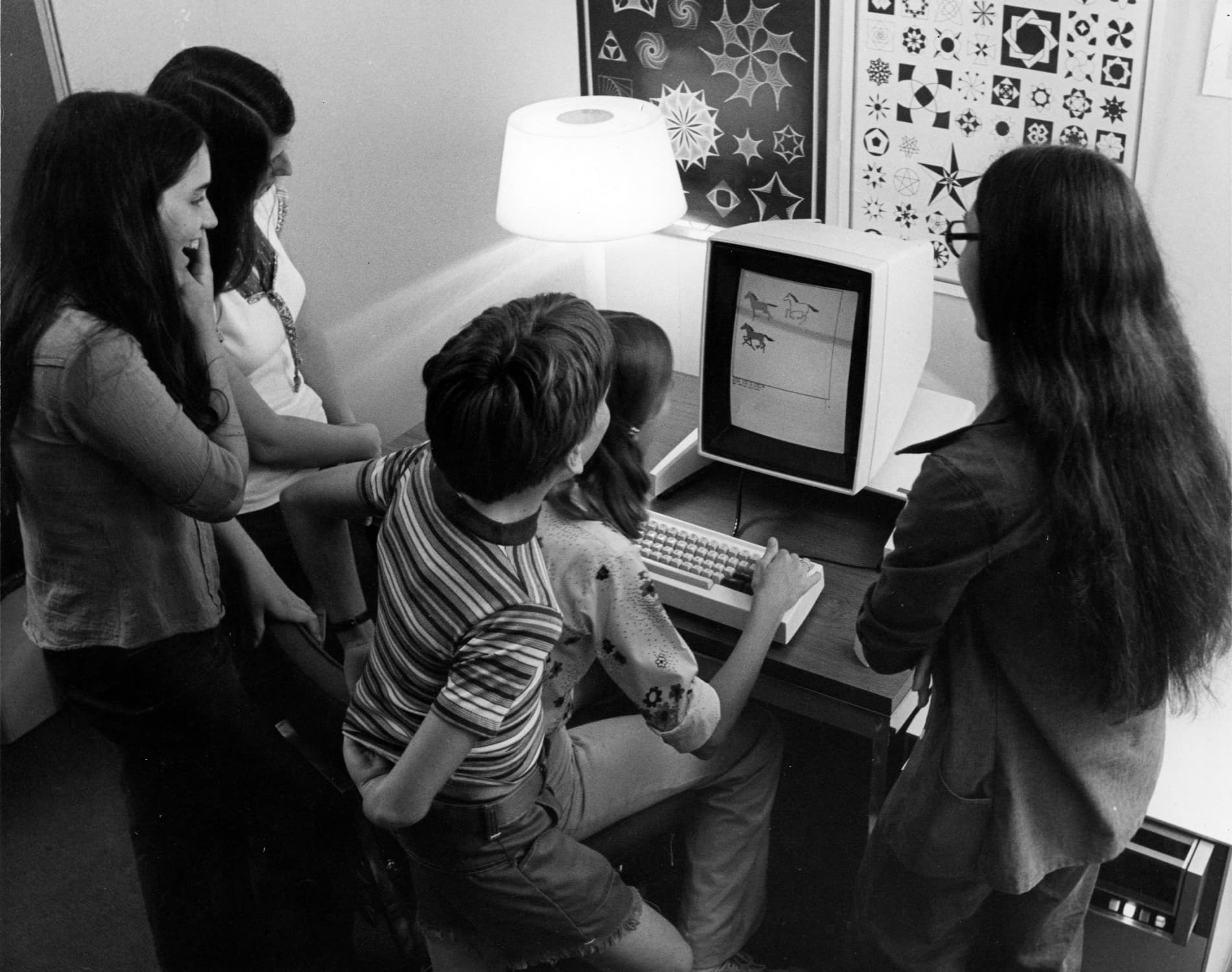
Children using the Alto personal computer, ca. 1979. Courtesy of PARC.
HCI Index is a weekly newsletter that synthesizes recent human-computer interaction research into accessible insights. Each week, the pipeline processes 60-100 new papers and distills them into a curated selection surfacing key findings, surprising results, and emerging patterns across the field.
Why This Exists
I've long been drawn to the academic foundations of HCI. Papers offer a depth that fuels my work in ways that blog posts and trend pieces rarely match. But academic literature isn't always accessible. It can be dense, technical, and overwhelming in volume. For designers who've arrived in this field through non-traditional paths, even knowing where to start can be a barrier.
With AI reshaping how we design and build products, keeping up with HCI research feels more urgent than ever. As Susanne Bødker notes, "we need to keep reminding ourselves of how and why our everyday technology came into being. In order to be better at pointing to the future, it needs to be aware of its history too." The newsletter is my attempt to follow along with that evolving history in real time and share the journey.
How It Works
Every week, the pipeline ingests metadata and abstracts from hundreds of new preprints from arXiv's Human-Computer Interaction category. Each paper passes through multiple stages: scored on practitioner relevance, research rigor, and strategic significance, then clustered by theme to reveal what's drawing collective attention. Selection balances high-scoring work against papers that might otherwise slip through, enforces topic diversity, and deliberately surfaces contrarian findings that cut against prevailing assumptions.
The final stage reads the curated set together, looking for tensions and through lines across the week's research. The goal isn't to impose a narrative where none exists, but to find the honest shape of what the field is working on and make it legible.
The system runs on AWS serverless infrastructure with Claude models handling scoring, clustering, and synthesis. It's a pipeline I designed and built to engage with research at a scale that wouldn't be possible otherwise.
Origins & Evolution
This project started differently. The original version focused on historical collections synthesizing seminal papers that form the bedrock of HCI thinking. Those collections, along with an experimental semantic search feature, remain accessible but are no longer actively maintained.
The shift to a weekly newsletter came from wanting to follow the field as it moves, not just document where it's been. The long-term vision still includes curated collections and semantic search for building reading lists around specific topics, but for now, the focus is on the weekly synthesis.
If any of this sparks your own curiosity about HCI research, that's more than enough.